

Introduction
Are you tired of outdated electrical systems that waste energy and drive up your utility bills? You’re not alone. Homeowners and business owners across the country are discovering that modern electrical solutions can save them thousands of dollars while making their properties safer and more efficient. Evolution Electrical represents a new approach to power management—one that combines cutting-edge technology with practical, everyday applications.
In this guide, you’ll learn exactly what makes today’s electrical solutions “smart,” how they can transform your property, and why choosing the right electrical partner matters more than ever. We’ll explore real-world applications, cost savings, and the technologies that are changing how we think about electricity.
What you’ll learn:
- How modern electrical systems differ from traditional installations
- The real costs and savings of upgrading to smart electrical solutions
- What Evolution Electrical California offers that sets them apart
- Practical steps to modernize your home or business electrical system
- Common mistakes to avoid when selecting an electrical contractor
What Makes Modern Electrical Solutions “Smart”?
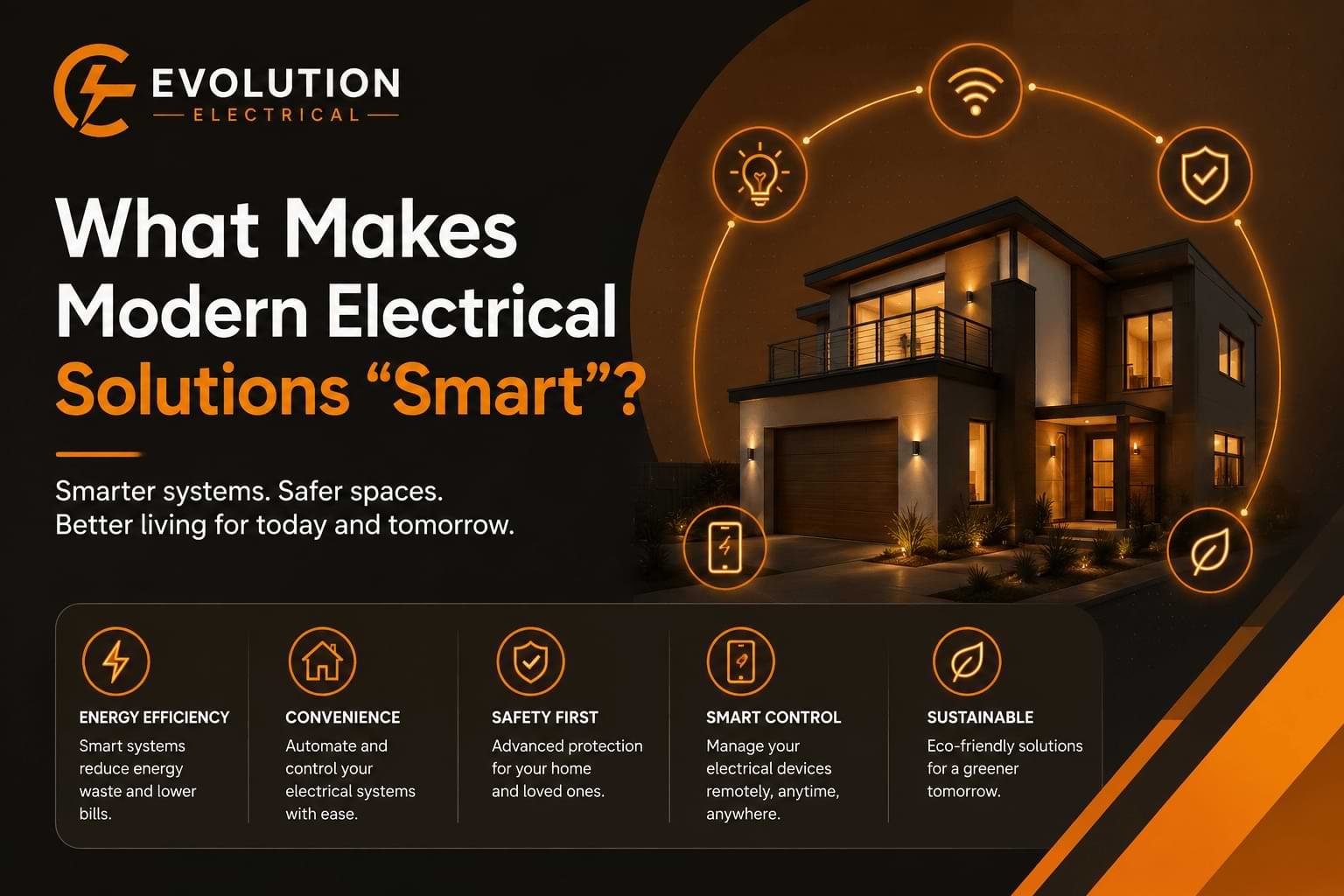
Smart electrical solutions go beyond simply powering your lights and appliances. They’re intelligent systems that monitor, optimize, and adapt to your actual usage patterns. According to the U.S. Department of Energy, smart electrical systems can reduce energy consumption by 10-30% compared to traditional setups.
Think of it this way: traditional electrical systems are like having a manual transmission in your car—they work, but you’re doing all the thinking. Smart systems are like modern automatic transmissions with AI—they optimize performance based on conditions you might not even notice.
How Smart Technology Integrates with Electrical Systems
Modern electrical installations incorporate sensors, automation, and connectivity. These components communicate with each other to create an ecosystem that responds to your needs. For example, smart panels can detect when you’re using too much power and automatically adjust distribution to prevent overloads.
I’ve seen businesses reduce their electrical operating costs by nearly 40% just by implementing smart load management systems. That’s real money back in your pocket every single month.
The Evolution of Electrical Services in California
California has always been at the forefront of energy innovation. With some of the strictest energy codes in the nation (Title 24), California electrical contractors have had to evolve quickly. Evolution Electrical California emerged from this environment where innovation isn’t optional—it’s required.
The state’s push toward renewable energy integration, electric vehicle charging infrastructure, and energy storage systems has created demand for electricians who understand both traditional wiring and modern digital systems.
Why California Leads in Electrical Innovation
California’s combination of high energy costs, progressive regulations, and environmental consciousness creates the perfect storm for electrical innovation. The California Energy Commission reports that the state aims for 100% clean energy by 2045, which means every electrical installation today needs to be future-ready.
This isn’t just about following rules. It’s about building systems that can adapt as technology changes. An electrical installation done right today should accommodate solar panels tomorrow, battery storage next year, and technologies we haven’t even imagined yet.
What Services Define Modern Electrical Solutions?
Today’s comprehensive electrical services cover far more ground than ever before. Let me break down what you should expect from a forward-thinking electrical contractor.
Smart Home Integration and Automation
Smart home systems connect your lighting, climate control, security, and entertainment into one unified interface. You control everything from your phone, tablet, or voice commands. But the real magic happens when these systems start learning your patterns and automating tasks without you asking.
Quality smart home integration requires electricians who understand both low-voltage control systems and standard electrical installations. They need to work with networking protocols, wireless communication, and traditional wiring simultaneously.
Energy-Efficient Lighting Design
LED technology has revolutionized lighting, but proper implementation requires expertise. The wrong color temperature can make a restaurant feel uncomfortable. Insufficient lumens can create safety hazards in warehouses. Too much light wastes energy and money.
Modern lighting design considers color rendering index (CRI), beam angles, dimming compatibility, and integration with daylight harvesting systems. According to the Environmental Protection Agency’s ENERGY STAR program, properly designed LED systems use 75% less energy than incandescent lighting and last 25 times longer.
Electric Vehicle Charging Infrastructure
EV charging installation has become one of the fastest-growing electrical services. The International Energy Agency reports that global EV sales reached 14 million units in 2023, and that number continues climbing rapidly.
Installing EV chargers isn’t just about mounting a box on your wall. It requires load calculations to ensure your electrical service can handle the additional demand, proper circuit sizing, and often coordination with utility companies for rebates and time-of-use rates.
I worked with a commercial property owner who installed 12 Level 2 EV chargers in their parking garage. Not only did they attract new tenants, but they also qualified for state rebates that covered 60% of the installation costs.
Solar and Battery Storage Systems
Solar integration requires electrical contractors who understand both AC and DC systems. They need to size inverters correctly, design proper grounding systems, and ensure code compliance with rapidly changing regulations.
Battery storage systems add another layer of complexity. These systems need to communicate with solar inverters, the utility grid, and your home’s electrical panel simultaneously. When done correctly, they provide backup power during outages and reduce demand charges by storing energy when it’s cheap and using it when rates are high.
How Do Smart Electrical Solutions Save Money?
The upfront cost of modern electrical systems can seem intimidating, but the long-term savings tell a different story. Let’s look at real numbers.
Reduced Energy Consumption
Smart systems eliminate waste by operating only when needed and at optimal levels. Motion sensors ensure lights turn off in empty rooms. Smart thermostats learn your schedule and adjust temperatures automatically. Load management systems prevent unnecessary peak demand charges.
A typical commercial building can save $2-$4 per square foot annually through smart electrical and automation systems, according to the Building Owners and Managers Association (BOMA).
Lower Maintenance Costs
Modern electrical components last longer and require less maintenance than older systems. LED lights last years instead of months. Smart circuit breakers provide diagnostic information before problems become failures. Automated systems log every event, making troubleshooting faster and less expensive.
Increased Property Value
Properties with modern electrical infrastructure command higher prices and rent faster. According to a 2023 study by Zillow, homes with smart electrical features sell for an average of 3-5% more than comparable properties without these upgrades.
Smart electrical systems also future-proof your property. When potential buyers or tenants see infrastructure that can support their needs for the next decade, they’re willing to pay a premium.
What Should You Look for in an Electrical Contractor?
Choosing the right electrical partner might be the most important decision in your upgrade journey. Not all electricians have kept pace with technology, and that can cost you dearly.
Licensing and Certifications That Matter
In California, contractors must hold a C-10 Electrical Contractor license. But modern electrical work often requires additional certifications. Look for contractors with training in specific technologies like Tesla Powerwall installation, Lutron lighting systems, or specific smart home platforms.
Manufacturers often require specific certification before contractors can install their products. These aren’t just paperwork—they represent hands-on training that ensures proper installation.
Experience with Modern Technologies
Ask potential contractors about their experience with technologies you’re considering. How many solar systems have they installed? Do they regularly work with smart home automation? Can they show you examples of similar projects?
I always recommend asking for references from projects completed within the last year. Technology changes fast, and experience from five years ago might not be relevant to today’s products.
Communication and Project Management
Electrical projects involve coordination with other trades, utility companies, and inspectors. Your contractor should communicate clearly about timelines, potential issues, and solutions.
Red flags include contractors who can’t explain their work in terms you understand, who consistently miss scheduled appointments, or who can’t provide detailed written estimates.
Common Mistakes When Upgrading Electrical Systems
I’ve seen people make expensive mistakes when modernizing their electrical systems. Here are the biggest ones to avoid.
Choosing Based Only on Price
The cheapest bid often becomes the most expensive option. Underqualified electricians might use inferior materials, take shortcuts on installation, or lack the expertise to troubleshoot problems that arise during the project.
Quality electrical work costs more upfront but saves money through proper installation, appropriate materials, and systems that actually work as intended.
Ignoring Future Needs
Installing exactly what you need today without considering tomorrow’s requirements is shortsighted. Adding capacity for future solar panels, EV chargers, or additional circuits costs much less during initial installation than as a retrofit.
I always recommend oversizing electrical services and panels by 25-30% to accommodate future growth. The incremental cost is minimal compared to upgrading your entire service later.
Failing to Research Incentives and Rebates
Federal, state, and local incentives can cover substantial portions of electrical upgrades. The federal Investment Tax Credit (ITC) covers 30% of solar and battery storage installation costs. California offers additional rebates for EV chargers, heat pumps, and energy-efficient equipment.
Many contractors aren’t experts in available incentives. Do your own research or work with contractors who actively help clients maximize rebates.
Skipping Proper Planning and Design
Jumping into installation without comprehensive planning leads to suboptimal results. Proper electrical design considers load calculations, voltage drop, circuit protection coordination, and future expansion.
Professional design services might add 5-10% to project costs, but they prevent expensive mistakes and ensure your system performs as expected.
Key Takeaway Box
Evolution Electrical represents a fundamental shift from passive power delivery to active energy management. Modern electrical solutions don’t just keep your lights on—they optimize energy usage, reduce costs, provide valuable data about your consumption patterns, and adapt to your changing needs. Whether you’re a homeowner looking to reduce utility bills or a business owner seeking competitive advantages through better energy management, smart electrical solutions deliver measurable returns. The key is choosing contractors who combine traditional electrical expertise with modern technology knowledge, planning for future needs from the start, and taking advantage of available incentives to reduce upfront costs.
How Evolution Electrical California Approaches Projects
The best electrical contractors follow a systematic approach that ensures quality results. Here’s what you should expect from a professional engagement.
Initial Consultation and Assessment
Quality contractors start with comprehensive assessments. They examine your current electrical service, discuss your goals and concerns, and identify opportunities for improvement. This isn’t a sales pitch—it’s a diagnostic process.
During assessments, contractors should measure your electrical load, check panel capacity, test circuit integrity, and identify safety issues. They should ask about your future plans—adding rooms, installing pools, buying electric vehicles—because these affect design decisions.
Custom Design and Engineering
Cookie-cutter solutions rarely deliver optimal results. Every property has unique characteristics that affect electrical design. Proper engineering accounts for your specific usage patterns, existing infrastructure, budget constraints, and future goals.
Design documents should include load calculations, panel schedules, circuit layouts, equipment specifications, and compliance documentation for permit applications.
Professional Installation and Quality Control
Installation quality determines whether your electrical system performs reliably for decades or creates headaches from day one. Professional contractors follow manufacturer specifications exactly, use appropriate materials for each application, and verify their work before calling it complete.
Quality control includes testing every circuit, verifying proper grounding, checking voltage levels, and ensuring all components communicate correctly in smart systems.
Training and Documentation
You should receive complete documentation of your electrical system, including panel directories, circuit maps, equipment manuals, and warranty information. For smart systems, contractors should provide training on how to operate and troubleshoot your new equipment.
I’ve seen too many people with sophisticated electrical systems who don’t understand how to use them. Proper training ensures you get full value from your investment.
What Technologies Are Shaping the Future of Electrical Systems?
The electrical industry is evolving rapidly. Understanding emerging trends helps you make future-proof decisions today.
Artificial Intelligence and Machine Learning
AI systems are becoming embedded in electrical management. They analyze usage patterns, predict equipment failures before they happen, and optimize energy consumption automatically. Some systems even adjust to utility pricing signals, using stored energy when rates are high and drawing from the grid when they’re low.
Grid-Interactive Efficient Buildings
The Department of Energy’s Grid-Interactive Efficient Buildings initiative promotes systems that communicate with the utility grid. These buildings can reduce consumption during peak demand, provide grid services, and integrate renewable energy more effectively.
California is already implementing these concepts through programs like demand response and virtual power plants. Buildings that participate can receive substantial incentive payments while reducing their own energy costs.
Wireless Power and Advanced Charging
Wireless charging technology is moving beyond phones and toothbrushes. Emerging systems can charge devices throughout a room without physical contact. While still developing, this technology could eventually reduce the number of outlets and cables we need.
Microgrids and Energy Independence
Microgrids—localized electrical systems that can disconnect from the main grid—are becoming more common, especially in areas prone to power outages. These systems combine solar generation, battery storage, and smart controls to provide reliable power regardless of grid conditions.
California’s increasing wildfire risks and resulting public safety power shutoffs have accelerated microgrid adoption. Properties with microgrids maintain power during outages, protecting both comfort and business continuity.
How to Prepare for Your Electrical Upgrade
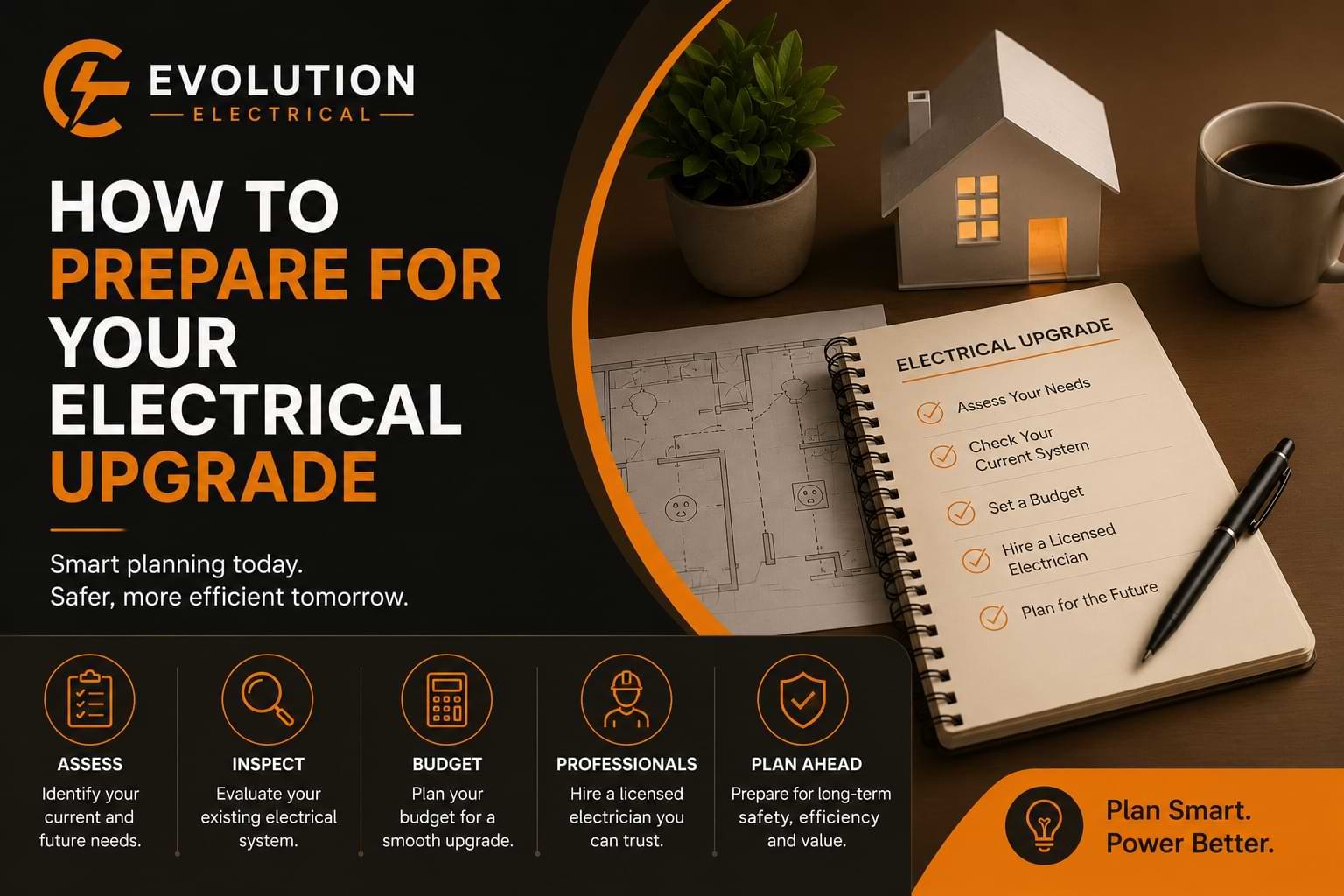
Proper preparation makes projects run smoother, faster, and more cost-effectively. Here’s how to set yourself up for success.
Document Your Current System
Before meeting with contractors, gather information about your existing electrical system. Locate your main panel and note the amperage rating (usually 100A, 200A, or 400A for residential). List any existing issues like flickering lights, tripping breakers, or outlets that don’t work.
Take photos of your panel, any subpanels, and problem areas. This documentation helps contractors prepare accurate estimates.
Clarify Your Goals and Priorities
Are you primarily focused on reducing energy costs? Adding capacity for new equipment? Improving convenience through automation? Increasing property value? Different goals lead to different solutions.
Write down your top three priorities before talking with contractors. This clarity helps you evaluate proposals effectively and prevents scope creep that inflates budgets.
Set a Realistic Budget
Quality electrical work isn’t cheap, but it delivers value. Research typical costs for the services you’re considering. Solar systems typically cost $2.50-$3.50 per watt before incentives. EV charger installations range from $1,000-$3,000 depending on complexity. Smart home systems vary widely based on scope.
Having a realistic budget helps contractors design solutions that meet your needs without wasting time on proposals you can’t afford.
Plan for Disruption
Electrical upgrades involve power interruptions, mess from running new circuits, and workers in your space. Plan accordingly. For businesses, consider scheduling work during off-hours or slow periods. For homes, plan to be without power in certain areas for portions of the project.
Clear communication with your contractor about scheduling prevents surprises and reduces frustration.
Real-World Success Stories: Smart Electrical in Action
Nothing illustrates the value of modern electrical solutions better than real examples. Here are scenarios I’ve witnessed personally.
The Restaurant That Cut Energy Costs 35%
A local restaurant was struggling with $3,500 monthly electrical bills. After comprehensive upgrades including LED lighting with occupancy sensors, smart HVAC controls, and a demand management system, their average bill dropped to $2,275. The $1,225 monthly savings paid back their $38,000 investment in just over two years.
More importantly, the new system provided detailed energy monitoring that revealed a failing freezer motor consuming excessive power. Early detection prevented a costly equipment failure and food loss.
The Homeowner Who Achieved Energy Independence
A homeowner in San Diego installed a 10kW solar array with 20kWh battery storage and upgraded to all-LED lighting with smart controls. Their previous $280 monthly electricity bills dropped to just the $10 minimum grid connection fee.
During the widespread outages from the 2023 storms, their home remained fully powered while neighbors went without electricity for three days. The peace of mind alone made the investment worthwhile.
The Office Building That Became a Tenant Magnet
A commercial property owner upgraded a 1980s office building with modern electrical infrastructure, including EV charging stations, gigabit networking capability, and smart climate controls for individual suites. Vacancy rates dropped from 30% to zero within six months, and they were able to increase rents by 15% due to the enhanced amenities.
The building now generates $180,000 more annual revenue while operating costs decreased by $35,000. The total project cost of $420,000 will pay for itself in less than three years through higher rents and lower operating costs.
FAQ Section
What exactly is Evolution Electrical?
Evolution Electrical refers to modern electrical services that integrate smart technology, energy efficiency, and future-ready infrastructure. These solutions go beyond traditional wiring to include automation, renewable energy integration, intelligent monitoring, and adaptive systems that optimize performance and reduce costs. In California specifically, Evolution Electrical represents contractors who specialize in these advanced technologies while meeting the state’s strict energy codes.
How much does upgrading to a smart electrical system cost?
Costs vary significantly based on scope, but expect $5,000-$15,000 for basic smart home integration in a typical house, $15,000-$40,000 for comprehensive residential upgrades including panel replacement and smart systems, and $25,000-$100,000+ for commercial properties depending on size. Solar and battery systems add $15,000-$50,000 depending on capacity. Most projects deliver positive ROI within 3-7 years through energy savings and increased property value.
Can I upgrade my electrical system gradually, or does it need to happen all at once?
Gradual upgrades are absolutely possible and often make financial sense. A logical progression starts with upgrading your electrical panel if needed, then adding smart lighting and controls, followed by solar integration, and finally battery storage. Each phase delivers immediate benefits while preparing infrastructure for the next step. The key is planning the entire journey from the beginning so early phases don’t require expensive modifications later.
Will smart electrical systems work during internet outages?
Quality smart systems include local control capabilities that function without internet connectivity. While you might lose remote access from your phone and cloud-based features, essential functions like lighting, climate control, and security continue operating. Solar and battery systems with backup functionality maintain power during grid outages regardless of internet status. Always verify offline capabilities when selecting smart electrical products.
How do I know if my current electrical service can support upgrades like EV chargers or solar?
A licensed electrician can perform a load calculation to determine available capacity. Most homes built before 2000 have 100A or 150A service, which often requires upgrading to 200A to support EVs and modern loads. Commercial properties vary widely. Signs you might need a service upgrade include frequently tripping main breakers, dimming lights when major appliances start, or inability to run multiple high-draw devices simultaneously.
Are smart electrical systems secure from hacking?
Like any connected technology, smart electrical systems have cybersecurity considerations. Quality products use encryption, regular security updates, and network isolation to minimize risks. Best practices include changing default passwords, keeping firmware updated, using separate networks for smart home devices, and choosing products from reputable manufacturers with strong security track records. The actual risk of someone hacking your lighting system is quite low compared to other cyber threats.
What incentives are available for electrical upgrades in California?
California offers numerous incentives including the federal Investment Tax Credit (30% for solar and battery storage through 2032), the California Solar Initiative, SGIP (Self-Generation Incentive Program) for battery storage, utility company rebates for energy-efficient upgrades, EV charger installation rebates through programs like CALeVIP, and local programs that vary by municipality. Available incentives change regularly, so check current offerings when planning your project.
